

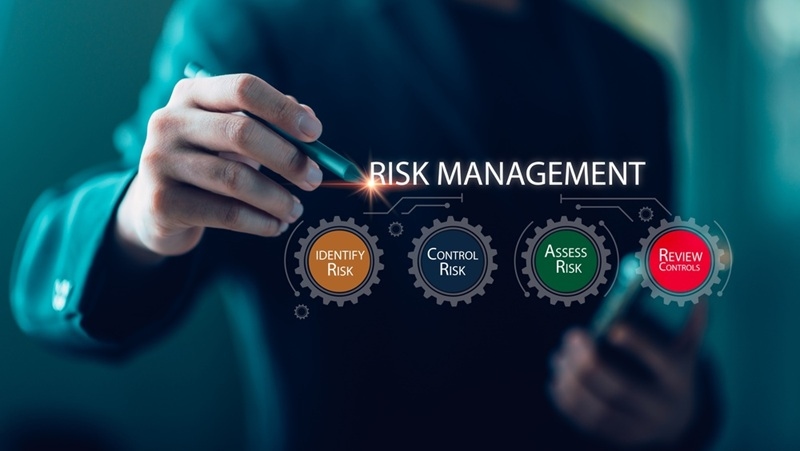
Business risk has a funny way of showing up when things finally seem to be moving well. A regular client delays payment. A supplier changes rates. A good employee leaves. A competitor cuts prices. One week feels normal, and the next one feels like the floor has shifted a little.
That is business. No owner can remove every unknown, and honestly, trying to do that would slow everything down. The smarter aim is to notice trouble early, prepare for it, and make decisions before pressure turns into panic. Once a business owner understands how to manage business risks, risk stops feeling like a dark cloud and starts looking more like a checklist that needs regular attention.
The first mistake many business owners make is treating every problem as an emergency. Some issues need quick action, of course. Others simply need watching. A late payment from one customer is annoying. Late payments from ten customers may point to a bigger cash flow problem.
Good risk management starts with naming the risk clearly. Vague fear is hard to handle. A clear problem is easier to solve.
Here is a simple way to sort common risks:
| Risk Area | What It Looks Like | What To Watch |
|---|---|---|
| Money | Late payments, rising costs | Cash flow and margins |
| Operations | Delays, errors, staff gaps | Daily process problems |
| Market | Fewer leads, stronger competitors | Customer demand |
| Legal | Contract disputes, compliance gaps | Written agreements |
| Reputation | Bad reviews, unhappy clients | Service quality |
A business owner does not need a thick manual to start. Even a short list of possible risks can bring clarity. The point is to stop guessing and start looking at the business with open eyes.
Money pressure is one of the fastest ways for a business to lose control. A company can look busy, have orders coming in, and still struggle if the money arrives too late. That is why financial risk deserves attention before many other problems.
Revenue is important, but cash flow tells the real story. If rent, salaries, supplier payments, software bills, and loan payments are due before customer money comes in, the business can feel squeezed even during a good sales month.
A few numbers should be checked often:
| Number | Why It Matters |
|---|---|
| Monthly Fixed Costs | Shows the minimum amount needed to stay open |
| Cash In Hand | Shows how long the business can manage a slow period |
| Pending Invoices | Shows money earned but not yet received |
| Profit Margin | Shows whether sales are actually worth it |
| Debt Payments | Shows how much pressure borrowing creates |
This is where practical risk management becomes useful. Clear payment terms, advance deposits, tighter expense reviews, and regular invoice follow-ups may not sound exciting, but they can keep a business breathing when things get tight.
Early business problems are often brushed aside with one line: “That’s just how startups are.” Sometimes that is true. Sometimes it is an excuse that lets bad habits grow.
Common startup challenges include uncertain sales, unclear pricing, weak systems, limited staff, and too much dependence on the founder. In the beginning, one person may handle sales, delivery, accounts, hiring, client calls, and late-night problem-solving. That may work for a while. It should not become the permanent model.
The early stage needs flexibility, yes, but it also needs simple structure. A founder can begin with small habits:
These steps do not remove startup challenges, but they make the business less dependent on luck and last-minute effort. That matters, especially when the first real setback arrives.
Not every risk is dramatic. Some are painfully ordinary. A laptop crashes. A supplier misses delivery. A team member is unavailable. A software subscription fails during an important deadline. Small things, yes, but they can create a surprising mess.
A business should ask one uncomfortable question: “What happens if this person, tool, or vendor is suddenly unavailable?” If the answer is chaos, there is a risk hiding in plain sight.
Useful backup steps include:
| Weak Spot | Better Practice |
|---|---|
| One person knows a key task | Train at least one backup person |
| One supplier handles everything | Keep a second supplier option |
| Files live on one device | Use secure cloud backup |
| Work instructions are verbal | Create simple written steps |
| Customer updates are irregular | Set a communication schedule |
This is not about becoming overly cautious. It is about making sure one small failure does not stop the whole business.
Many disputes begin because expectations were unclear. The client thought revisions were unlimited. The vendor thought payment was due earlier. The employee misunderstood the role. The customer expected a refund that was never discussed.
Written agreements help. So do clear policies, proper records, privacy care, and honest communication. A business does not need to sound cold or legal-heavy, but it does need to protect itself.
Customer-related risk deserves equal attention. One bad experience can travel fast, especially online. A delayed order, ignored complaint, poor response, or confusing refund process can damage trust.
Businesses can protect trust by doing a few basic things well:
Learning how to manage business risks also means learning how to speak clearly before there is a problem. Silence and confusion are expensive.
A business can do everything right internally and still face outside pressure. Customer needs change. Competitors improve. Technology shifts. Costs rise. Buying habits move. This is where owners need to keep one ear close to the market.
Market risk does not always arrive loudly. It may show up as fewer inquiries, longer sales cycles, lower repeat orders, or customers asking different questions than before. These signs are easy to ignore when the team is busy, but they often say something important.
A simple monthly review can help:
| Question | What It Reveals |
|---|---|
| Are leads increasing or dropping? | Demand movement |
| Are customers asking for discounts? | Pricing pressure |
| Are competitors offering something new? | Market change |
| Are repeat customers slowing down? | Satisfaction or budget issues |
| Are costs rising faster than prices? | Margin pressure |
This is also a good time to review financial risk again. If the market shifts and the business has thin cash reserves, the damage can be sharper. Spotting the change early gives the owner more room to adjust.
Risk planning should not happen only when something goes wrong. By then, choices may be limited. A short monthly or quarterly review is enough for many small businesses.
The review can be simple. What changed? What keeps causing stress? What almost went wrong this month? What would hurt the business most if it happened tomorrow?
Those questions sound basic, but they force useful thinking. Over time, they help a business owner see patterns before they become painful. That is the quiet value of good planning. It does not make the business fearless. It makes it steadier.
Risk is part of business, not a sign that something is wrong. The stronger business owners are usually not the ones who avoid every problem. They are the ones who prepare early, review honestly, and act before the pressure becomes too heavy.
A business becomes easier to manage when cash flow is watched, systems are written down, customers are kept informed, and market changes are noticed in time. Control does not mean everything goes perfectly. It means the owner can respond with a clear head when it does not.
One risk many owners overlook is over-reliance on one big customer or one strong sales channel. A company may seem stable when it gets most of its income from one customer, platform, or referral source, until that source slows down. Even if sales are comfortable for now, it’s a safer bet to build out a wider customer base over time.
Yes, usually some risk is needed for growth. Hiring, marketing, product launches, new locations and larger inventory decisions all come with uncertainty. The secret is not total risk avoidance. The owner has to test ideas on a smaller scale, review the numbers, set limits and know when to stop or change. “Blind risk is dangerous. “Measured risk can help a business move forward.”
Working from facts, not fear, helps a business owner stay calmer. That means looking at cash flow, making a list of urgent issues, talking to customers or vendors early and figuring out what can be controlled first. It also helps to differentiate real emergencies from uncomfortable but manageable problems. Hard times are reduced to chaos by information.
This content was created by AI