

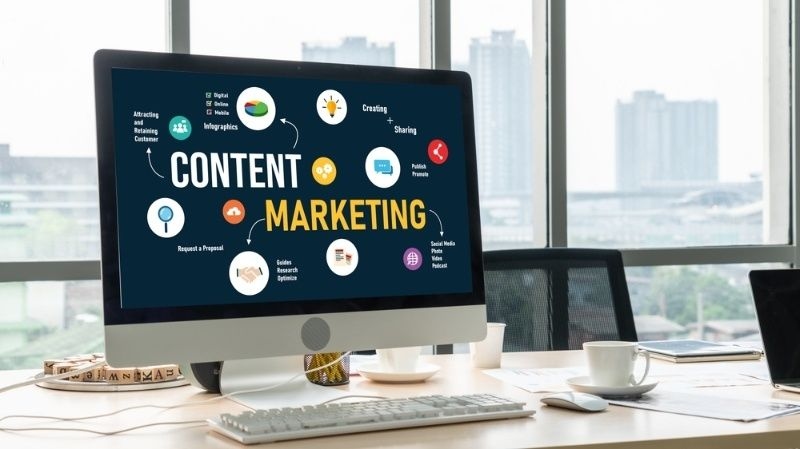
Content feels louder than ever in 2026. Everyone is publishing. Everyone thinks they have a “strategy.” Most don’t. What actually works now looks quieter, tighter, less flashy. It’s less about volume, more about intent — what you say, why you say it, and who it lands on. Brands chasing trends burn out fast; the ones that win keep showing up with something useful or sharp or oddly specific. No magic hacks here. Just patterns that keep proving themselves, again and again, even when platforms shift. In this blog, we break down what still works, what changed, and how to build something that doesn’t collapse in six months.
Content marketing in 2026 is not about being everywhere. It’s about being remembered in one or two places that matter. Algorithms changed, audiences got sharper. People scroll fast — they stop only when something feels made for them.
Trying to dominate five platforms usually means doing poorly on all of them. Pick one or two where your audience already spends time. Then go deep. Post consistently, but more importantly, post with intent. Long-form videos, sharp threads, thoughtful blogs — these outperform scattered content.
Keywords still matter, sure. But search intent matters more now. People don’t search random words; they search problems. Your content should answer those problems clearly, without fluff. Instead of stuffing phrases, write like you’re solving something real. Google’s smarter — it rewards clarity, not density.
One strong idea can become multiple formats. A blog turns into short clips, then into social posts, maybe a newsletter piece. Don’t chase new ideas constantly. Extract more from what already works.
This reduces effort. Increases reach without extra strain.
A solid content strategy doesn’t look fancy. It’s usually simple, almost boring on paper. But it works because it’s consistent and intentional.
You need a central theme — something you’re known for. Not ten things. One or two. That becomes your base. If you talk about everything, people remember nothing. A clear core makes your content easier to recognize and easier to trust.
Analytics help, but they don’t tell the full story. Sometimes a piece performs poorly but builds credibility. Sometimes high clicks don’t convert at all. Use data as a guide, not a rulebook. Watch patterns, but trust instinct too. Both matter.
Consistency beats bursts of creativity. You need a system that keeps content moving even on slow days.
Not exciting. But it works.
Blogging didn’t die. It just evolved. It’s slower, yes — but it compounds over time in a way social media doesn’t.
Formal, polished writing feels distant now. People respond to natural tone — uneven, slightly raw, direct. Short sentences next to long ones. Some rough edges. That makes it feel real. Not manufactured.
Long blogs aren’t better by default. A 700-word sharp piece can outperform a 2000-word vague one. Still, when writing long-form, make every section count. No filler. No repeating ideas.
Old blogs still bring traffic if updated. Refresh stats, improve clarity, tweak headlines. This often works better than creating new posts from scratch. And it’s faster.
Audience engagement is no longer about likes or comments alone. It’s about response. Do people care enough to act, reply, or remember?
Generic questions get ignored. Specific ones pull responses. Instead of “What do you think?”, try “What’s one thing you’d change about this?” It invites thought. Makes people pause.
Too many brands respond like bots. Short, generic replies. That kills the connection. Take a few seconds more. Write a real response. Add context. Ask back. It feels small — but it builds something long-term.
Not all content should just inform. Some should be involved.
People engage more when they feel included, not targeted.
Small businesses don’t have massive budgets. That’s fine. They don’t need them. What they need is focus.
You don’t need a large audience. You need the right one. Pick a niche. Go deep into it. Answer questions others ignore. Over time, you become the go-to source in that space.
People trust people more than brands. Founder content — raw, honest, slightly imperfect — performs well. Talk about your process. Failures. Small wins. It connects faster than polished ads.
Content marketing in 2026 feels less about noise, more about clarity. The brands doing well aren’t chasing everything; they’re choosing carefully, staying consistent, and speaking like real people. No shortcuts here. Systems matter, but so does instinct. Depth beats volume. Relevance beats reach. It’s slower sometimes — but stronger. If you focus on what your audience actually needs, not what trends demand, your content holds. Maybe not instantly, but over time, it builds something real. That’s the part most people miss. And that’s where it starts to work.
Stick to a schedule you can actually keep up with. Quality twice a week beats empty daily posts every time. Go for a pace that works for you long-term, and don’t burn out. Audiences want you to show up regularly, not just flood their feeds.
No, video isn’t required—but it’s powerful. Short clips get you noticed, fast. And while video draws attention, good writing still builds deeper trust. Usually, mixing things up—video, blogs, whatever fits your audience—gets you the best results.
Content moves slowly in the beginning. Don’t expect fireworks overnight; you’re looking at three to six months before things start rolling. The cool part? Once you get traction, growth starts to snowball. Sure, there are occasional quick wins, but real progress takes a while.
Absolutely. Small teams can do really well if they stick to a clear plan. Sometimes, fewer hands with focus beat big, scattered teams. Pick your main channels, reuse your best stuff, and don’t make it complicated. Simplicity and focus win.
This content was created by AI